LHCRT Trust Chairperson Christine Bull reflects on the state of play at the moment and the Trust’s future plans, and attempts to answer some commonly asked questions.
"My background is in planning, in industry, in Further Education and with the organisations I’ve worked with abroad. When I took on the Chairmanship I innocently asked whether we shouldn’t update the Strategic Plan ...... the more I am involved, the more I understand how difficult that is. The key difference is that LHCRT has to find every penny with which to restore the canals. Our “bread and butter” income is membership fees, our annual quiz and Autumn Show, our annual raffle, the 500 Club, and other fund-raising ventures. Only on these can we make an accurate assessment of income, and it falls very short of what we need.
Unlike many other restoration projects we have no regular financial support, in either cash or kind, from local authorities. Hence we have to submit bids to funding agencies. Long before Brexit, European funds in our area had dried up. The criteria for funds vary between the funding agencies and also over time. A few years ago the buzz words were “improving employability”; “transforming people’s lives”. Now it’s more to do with “environmental/biodiversity improvements” and “intergenerational/youth activities”.
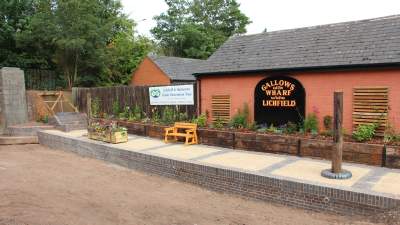
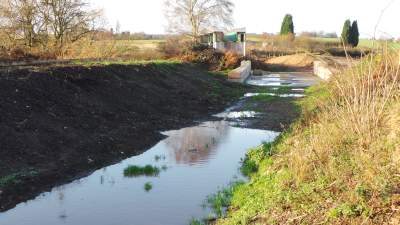
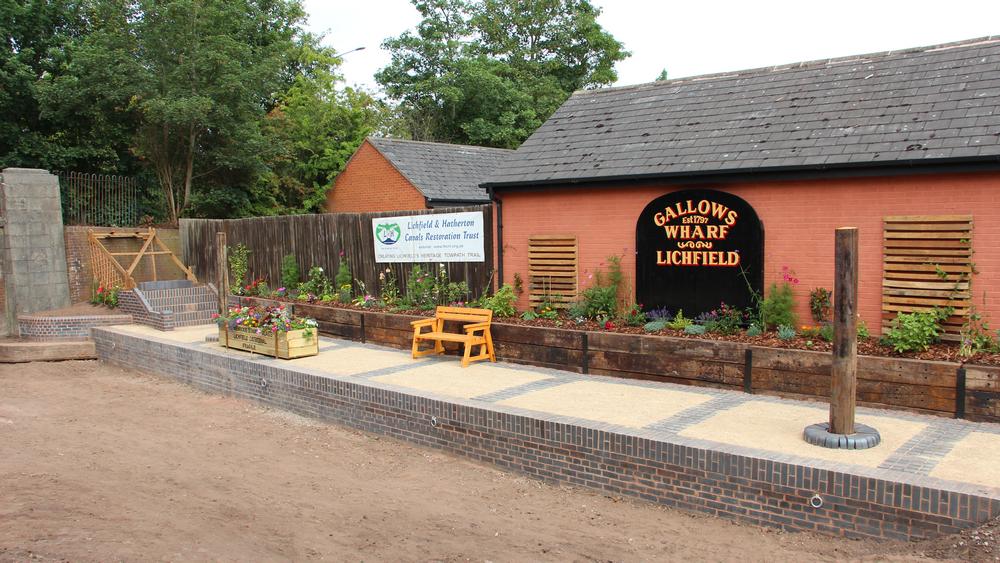
As to Heritage Lottery Funding (HLF), we have difficulty persuading them that even though the canals are a very significant part of our heritage the fact we have no buildings (i.e. above ground!) should not preclude us. We will keep battling that one, especially as new rules are coming in for West Midlands HLF. Necessarily then, we work where we have succeeded in getting funding. In recent years, the acquisition of and subsequent work at Summerhill (The Boat Inn to the M6Toll aqueduct) was financed by £336,000 from SIB; restoration of Gallows Wharf in 2018 was greatly assisted by a Staffordshire County Councillor’s grant of £1850; the Fosseway Heath Nature Reserve and Wetlands project 2017/8 has been significantly funded by the Postcode Local Trust grant of £18,500. In all these cases, we submit funding bids and wait several months to hear whether we are successful or not. When we are successful, as in the above examples, there is always a time limit within which the funds must be spent.
I hope that explains the financial factors which can make our work look “piecemeal and unplanned”. Overlay on the financial factors other things that make planning in our business subject to last minute changes and possible further impressions of “piecemeal”.
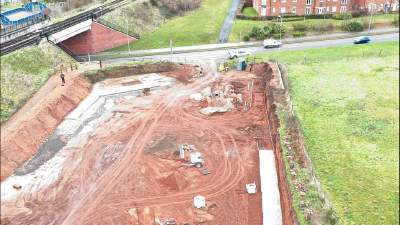
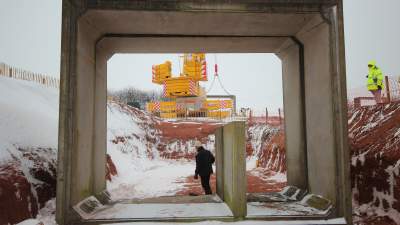
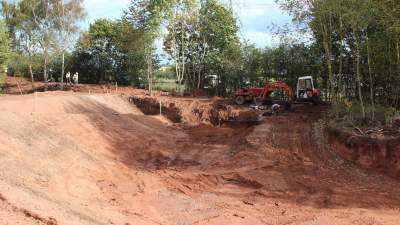
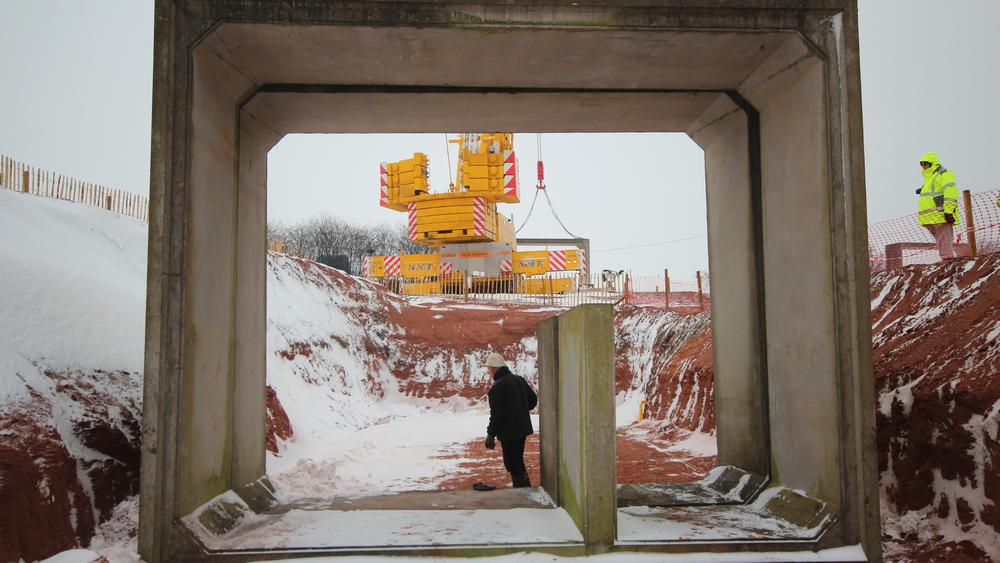
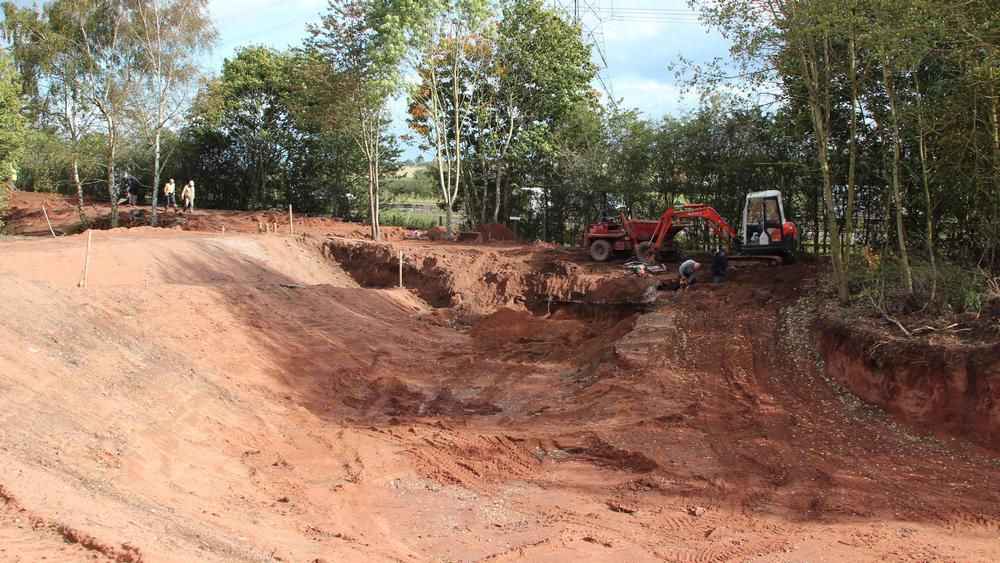
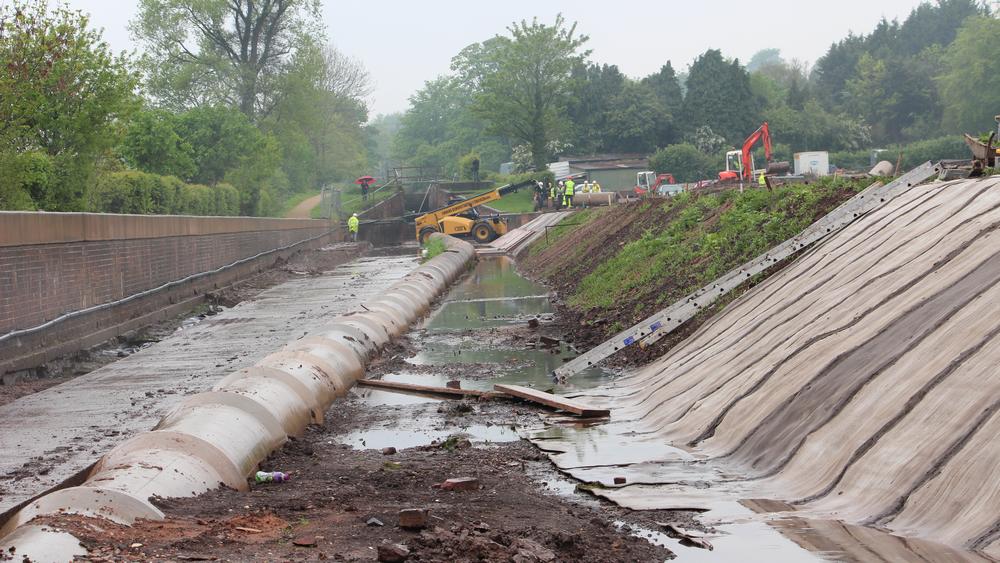
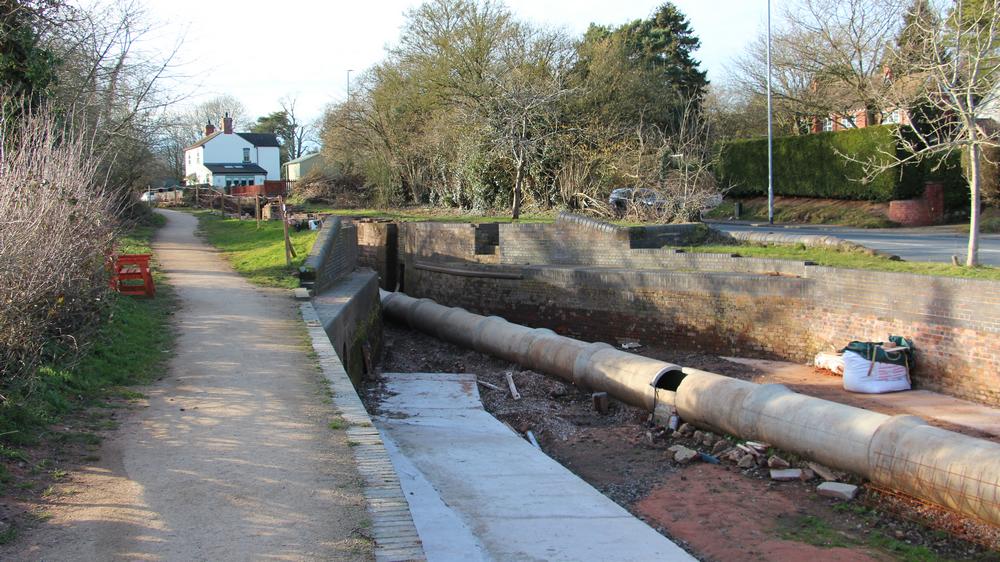
In the last year, the urgent need to remove the 11 precast concrete tunnel sections from Hazel Lane Colliery: the Trust had known that at some stage this site was likely to get planning permission, and it is most grateful to the Misra Brothers for the many years for which they gave us free storage. Obviously, once we received notice that we had to move them we had to decide where they were going and prepare the site to be able to not just provide storage space but more critically to ensure that all civil engineering calculations were accurate such that the site was safe for such heavy cranage. Also, we needed them (a) on our land, to avoid any storage costs and (b) ideally close to where we will use them – in this case to get under Darnford Lane.
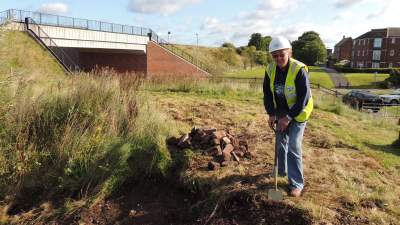
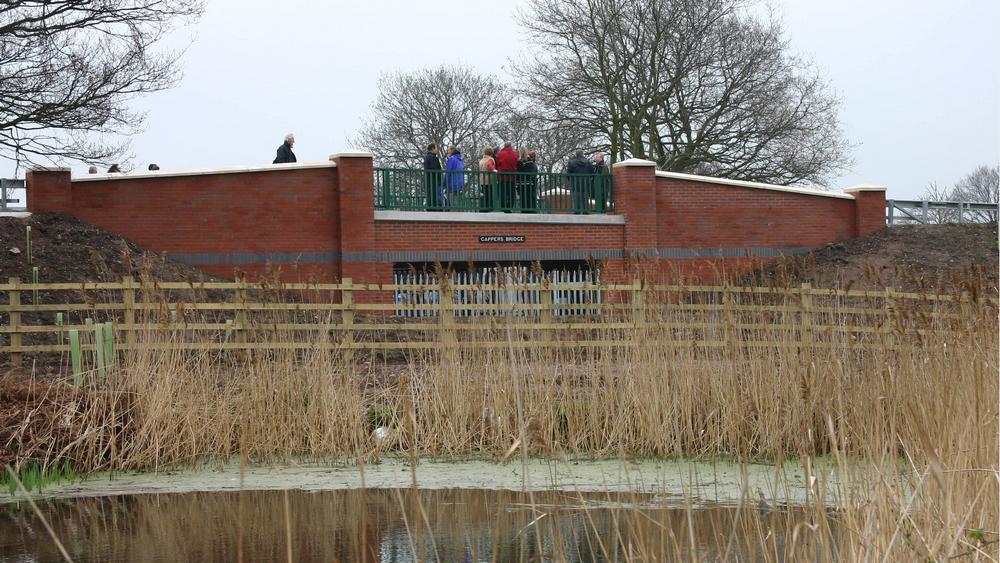
So, another possibly seeming “piecemeal project”. While we had work parties and machines at Darnford Lane it was sensible to pick up on other unfinished work there, too. Mention of “Darnford”: why have we abandoned Darnford Park work? Very simply because we have been required to do so by Lichfield District Council since our planning application for the work there, which included the A51 and A38 crossings, was strongly objected to by Highways England (HE). Even though we resubmitted without the A38 tunnel, HE then raised questions (which it had not done in the original planning application) about the A51 crossing. Queries raised by local residents about increased noise from the A38 further fuelled HE’s antipathy ...... fingers crossed, and after many, many hours of emails, conversations and gritting of teeth by our stalwart, but behind the scenes experts, we hope we are about to resolve that and be able to resume work ..... when funding allows.
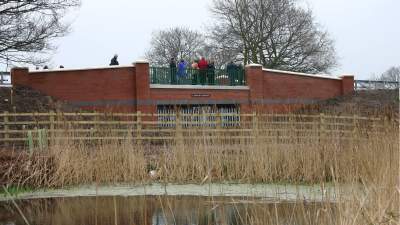
The footpath over the M6 Toll aqueduct: the processes of seeking planning permission and registering our land with Land Registry have brought up some issues. Highways England will require a raising of the parapets (more significant costs) and there are some very small parcels of land which require that we agree very precise boundaries. Much as we want to make that link to Brownhills for the community benefit our fundraising and bureaucracy negotiating priorities right now must be with the other sites.
On “behind the scenes”: planning applications which affect where and when we work are not just our applications. Currently, we are battling with a particular housing development which could result in a massive cost to LHCRT; we are working closely with Staffordshire Highways to ensure that we have the canal tunnel under the Cross City railway; our Land and Water specialist Officers have spent many hours and much head scratching to ensure that a commercial development in Cannock could not be allowed to jeopardise canal restoration.
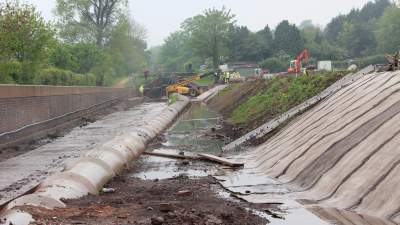
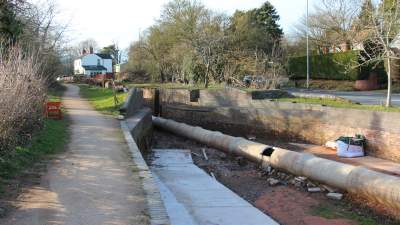
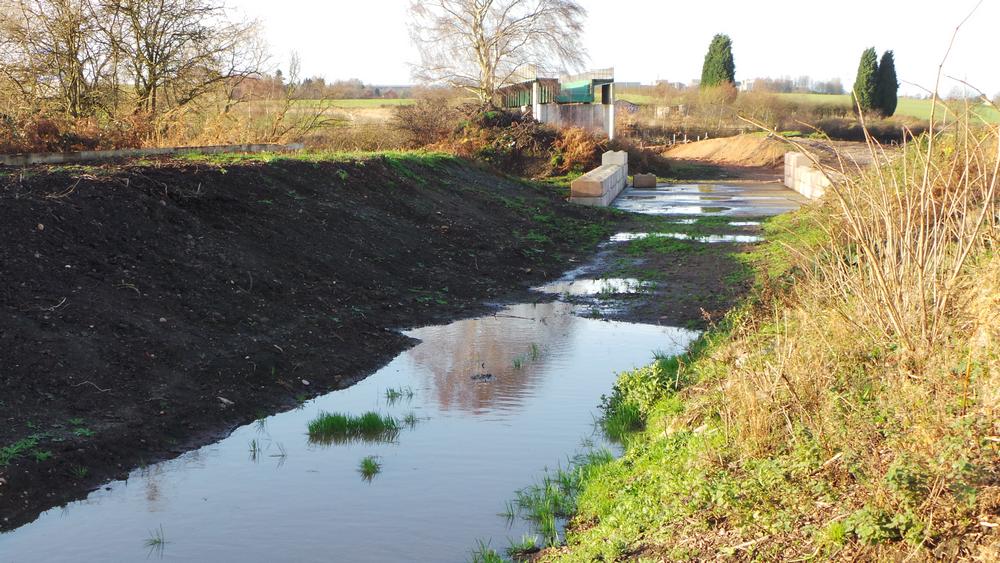
And then there’s The Environment Agency (EA)! Why can’t we get water in Pound 25 now that it is almost completely restored? We cannot remove the “Big Pipe” until EA allows us to so do. The Big Pipe was installed in late 1950s on abandonment of the canal along much of its route through Lichfield. It predominantly takes the “grey water” or road wash which previously ran in to the canal. Another bureaucratic battle!
As to the perennial question “when will it be finished?” the answer is that if someone or some organisation gives us £40m we could be done in 5 years! In all sincerity, I hope this explains that what might seem unplanned and piecemeal work is far from it. I will be delighted to meet with anyone who wants to find out more; I’ll be even more delighted if anyone offers her/his professional expertise in any of the fields that I trust this article has highlighted. They are notably: legal aspects, planning aspects; civil engineering; finance; writing funding bids."
Christine Bull